


Tourism Reinvented
13/5/2026
In the wake of the Assises du Tourisme, it is clear that Quebec’s tourism industry is in a strong position and sits at the center of several major trends. On the agenda: an industry mobilized around the economic future of Quebec tourism, emerging trends relevant to industry players, and the impact of artificial intelligence, which is rapidly transforming the tourism sector and opening up new opportunities for businesses and destinations alike.
“With the arrival of AI, the way travelers gather information, shop for, and purchase destinations is changing completely. In addition to adapting to the ongoing realities tied to climate and socio-political changes, tourism boards must rethink how they market destinations and distribute information in a world where traffic to their digital ecosystems is melting away like snow in the sun. These changes also represent an opportunity, however, as DMOs serve as official sources in a world where discoverability has become the new battleground and consumers struggle to distinguish fact from fiction.”
— François Poulin, Vice-President, Marketing and Commercialization, Alliance de l’industrie touristique du Québec
Speaking of discoverability, one cultural macrotrend illustrating its growing importance in the tourism experience is crystallized in the concept of Neotourism (from TBWA’s Edges research1).
Neotourism marks a shift in the way we travel: moving away from perfect itineraries and “must-see” destinations in favor of experiences that feel more genuine, human, and authentic. What matters now is living something emotionally meaningful that creates lasting memories. According to Travel Insight, tourist interest is shifting toward sustainable, less crowded destinations offering immersive experiences.2
Moreover, according to the Vision for the Future and Development of Quebec’s Tourism Industry presented by Minister Amélie Dionne and David Brulotte, Quebec’s Delegate General in New York, Quebec’s nature tourism is a point of interest for 100% of French tourists and 90% of American tourists intending to visit the province.
A second macrotrend complements neotourism: Journey into the Unique. This Edge reflects a growing desire to escape everyday life in search of extraordinary, unexpected, and unconventional experiences. In a world that has become overly predictable and optimized, people are looking for moments that surprise them, unsettle them, or transport them elsewhere.
In this context, where tourists are seeking unique and authentic experiences, Indigenous tourism represents a sector with tremendous potential, as highlighted by the data presented at the Summit by Dave Laveau of Indigenous Tourism Quebec. One inspiring example of this type of experience is Putep ’t-awt, a 2-kilometre trail developed on the western side of Gros-Cacouna Mountain, designed for observing beluga whales and the surrounding natural environment.
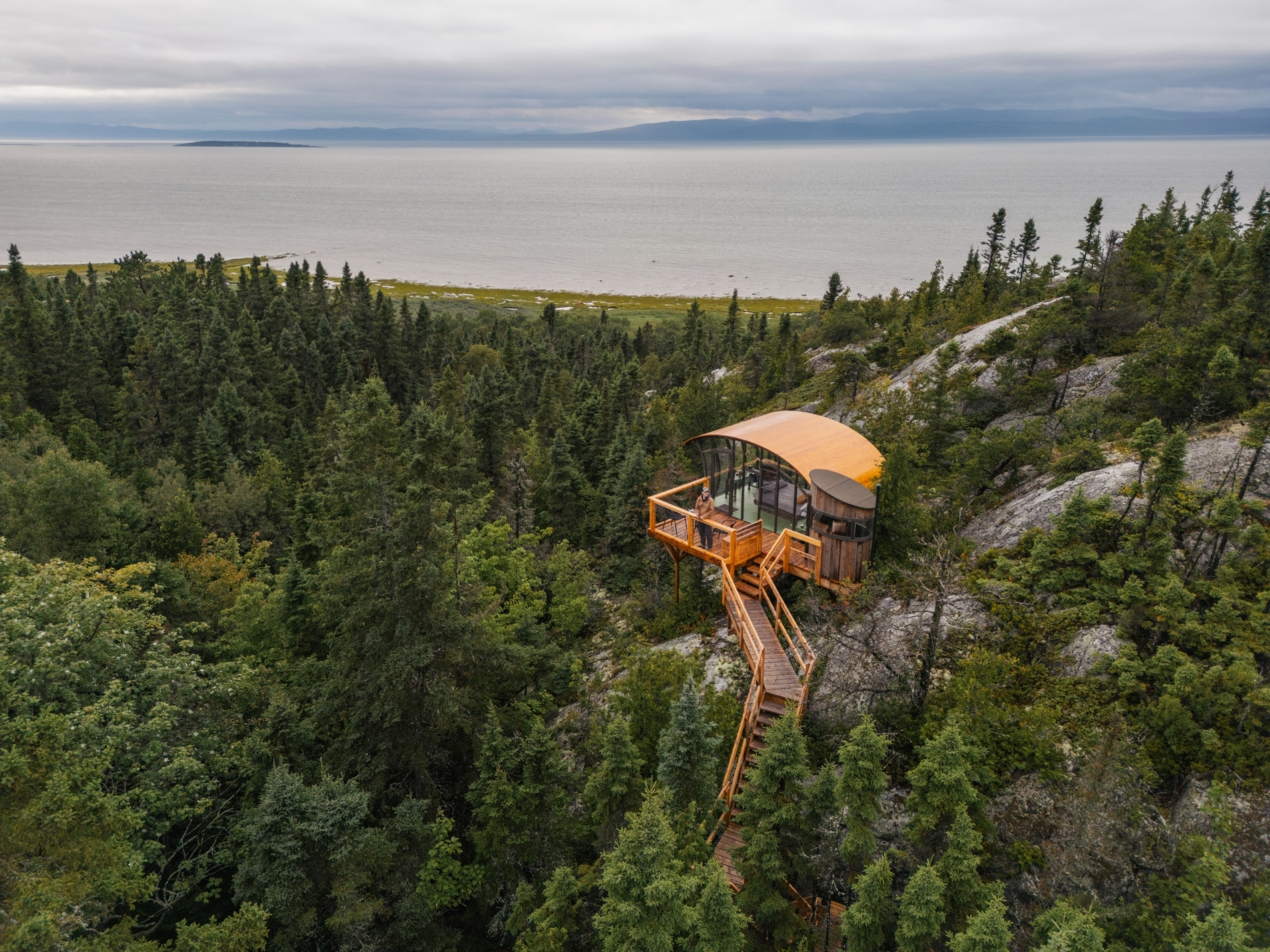
This search for uniqueness amplifies the factors pushing us to rethink the way we travel. Traveling is now about seeking authentic, singular experiences that take us outside our comfort zones while respecting the environment around us — such as the Perchoirs du Cirque in Saint-Germain-de-Kamouraska, in the Bas-Saint-Laurent region.
Another pressure forcing us to rethink travel is the economic context, including the rising cost of living and, more recently, the impact of the conflict in the Middle East on oil prices and the transportation industry. This contextual reality creates a highly compelling landscape for companies and brands operating within Quebec’s tourism sector, especially as interest in local consumption and discovery reaches an all-time high.
Experiences That Reveal Quebec
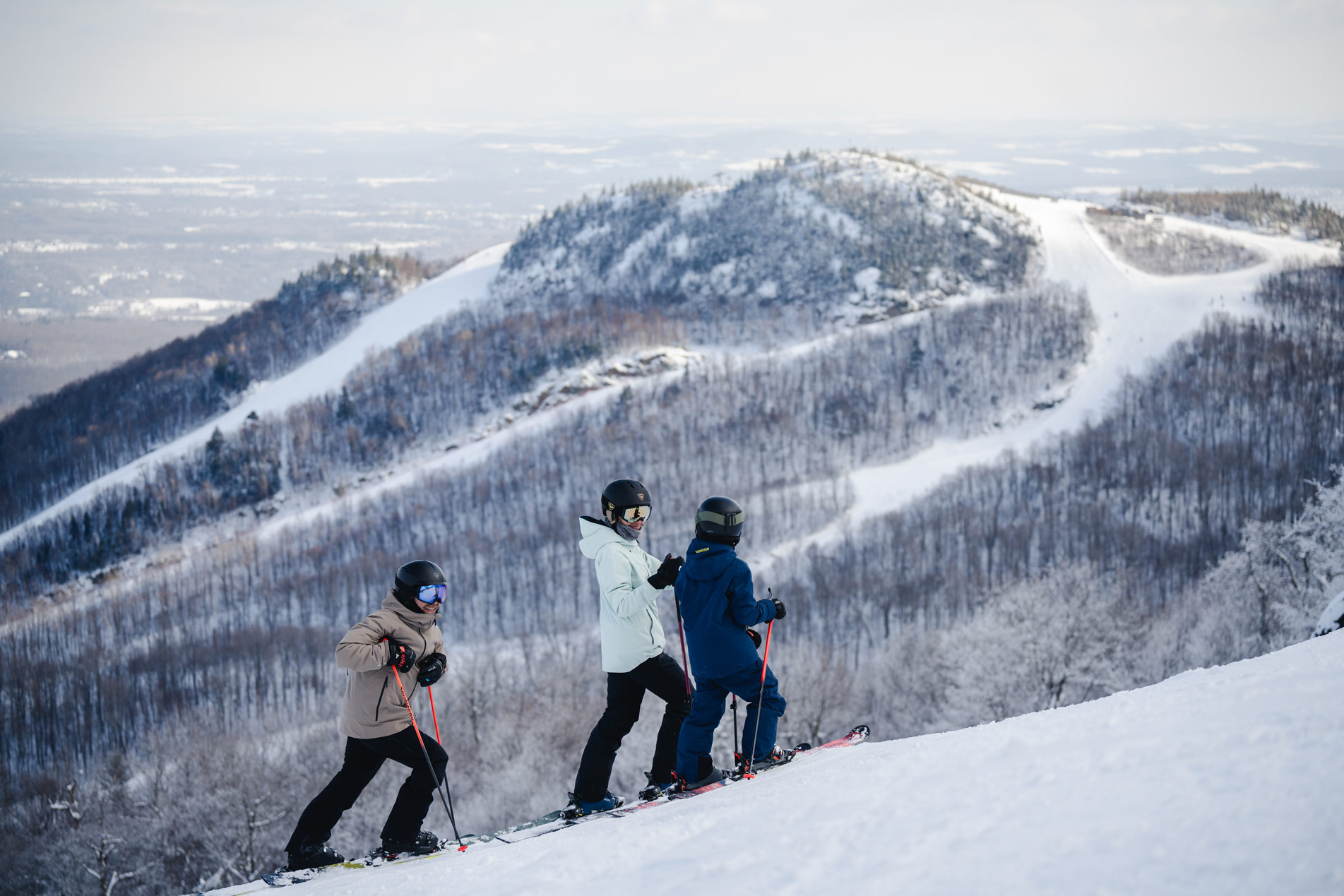
Tourism offerings that facilitate discoverability, uniqueness of experience, and respect for the territory will stand out among tourists from Quebec, Canada, and abroad. In our view, if there is one activity deeply rooted in Quebec culture that encourages exploration across all regions of the province, it is snow sports.
We spoke with Josée Cusson, Director of Communications and Marketing at the Association des stations de ski du Québec, to gather her perspective on the evolution of this sport, which lies at the heart of Quebec tourism.
“Snow sports offer a deeply authentic experience, grounded in direct contact with nature. Skiing down a snow-covered mountain is much more than a sporting activity: it is an opportunity to reconnect with breathtaking landscapes, experience a true sense of freedom, and fully embrace the present moment. Beyond the individual experience, skiing and snowboarding are also powerful catalysts for human connection. On the slopes and in the lodges, they foster spontaneous interactions, genuine encounters, and shared memories — rich, lasting moments that go far beyond the fleeting images of social media.”
— Josée Cusson, Director of Communications and Marketing, Association des stations de ski du Québec
Today, Quebec has a unique opportunity to position itself not merely as another destination, but as a direct response to the evolution of tourism itself. Through its territories, communities, and immersive experiences, it can embody a new way of traveling — more human, more mindful, and more surprising. The most promising tourism offerings will uncover hidden gems, create extraordinary experiences, and invite visitors to slow down, feel, and reconnect — both with the land and with themselves.
1.Les Edges sont publiés par Backslash, l’unité d’intelligence culturelle de TBWA. Un Edge est un changement culturel profond et durable qui aide une marque à gagner une part plus grande du futur.
2.https://www.travel-insight.fr/les-tendances-du-tourisme/


We are part of a global movement made up of companies that meet high standards of social and environmental performance as well as accountability and transparency.

