


The war for attention in philanthropy
17/8/2026
For years, philanthropic communications had one clear objective: drive donations. Raise awareness of a cause, tell a compelling story and turn that emotion into a conversion. That logic has not disappeared. But it is no longer enough.
For years, philanthropic communications had one clear objective: drive donations. Raise awareness of a cause, tell a compelling story and turn that emotion into a conversion. That logic has not disappeared. But itis no longer enough.
The issue is not that Quebecers are giving less. According to Épisode’s latest study, Tendancesen philanthropie au Québec d'Épisode, 58% of Quebecers made a donation in 2025 - comparable to pre-pandemic levels1. The generosity is still there. What has changed is the context.
Quebec is home to more than 50,000 non profit organizations. Add to that brands, media outlets, content creators and every other organization competing for our attention. In other words, a foundation’s main competitor is no longer another foundation. It is everything that appearsin the feed before.
This constant stream of messages is also changing how people choose the causes they support. The question is no longer, “ Isthis cause important? ” It is now,
“ Why this one rather thananother? ”
This new reality is changing the role of communications. A worthy cause no longer guarantees a successful campaign. Explaining why a mission deserves support is not enough; it must also breakthrough in an environment where everyone is competing for the same few secondsof attention. The Épisode study also reminds us that visibility must reflect the habits of different generations, from social media to email.
At Tam-Tam\TBWA, wesee this reality among foundations and purpose-driven brands alike: the challenge is not only to persuade people to support a cause, but to make sure it gets noticed in a saturated environment.
1 Philanthropic Trends in Quebec (10thedition), Épisode, 2026
How do you win that attention?
Some foundations are beginning to borrow the playbook of brands that know how to spark engagement. They are not talking solely about them selves; they are creating behaviours, symbols and conversations that people want to share. They are tapping into donor behaviours rather than trying tochange them.
Though it is no longer new, the Ice BucketChallenge marked a turning point in philanthropy. It did more than raise money for ALS research: it turned giving into
a social act that millions of people wanted to recreate and share.

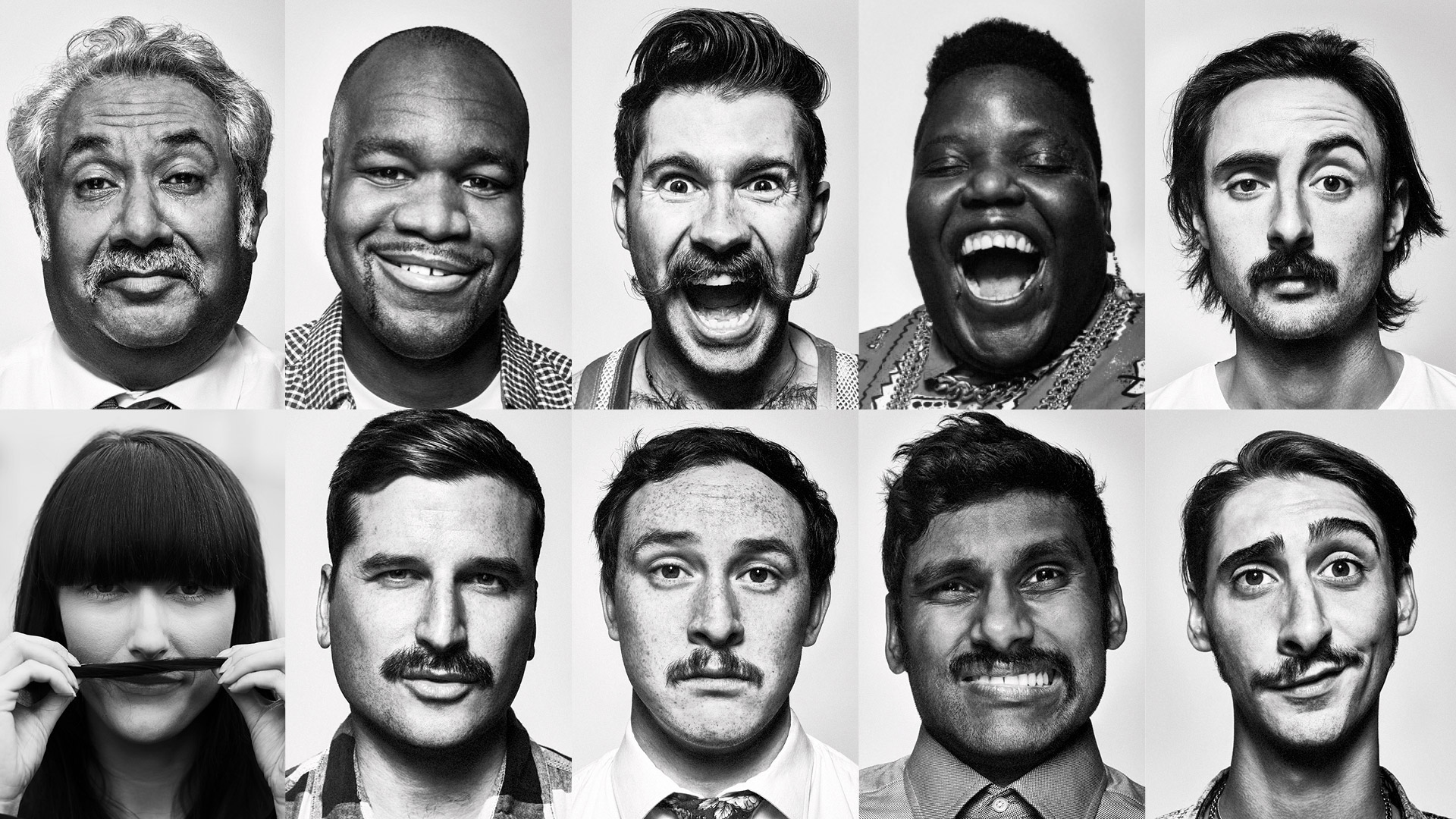
Movember did more than raise money for men’s health.
By turning the moustache into a visible, shareable symbol, the organization made every participant an ambassador for the cause.
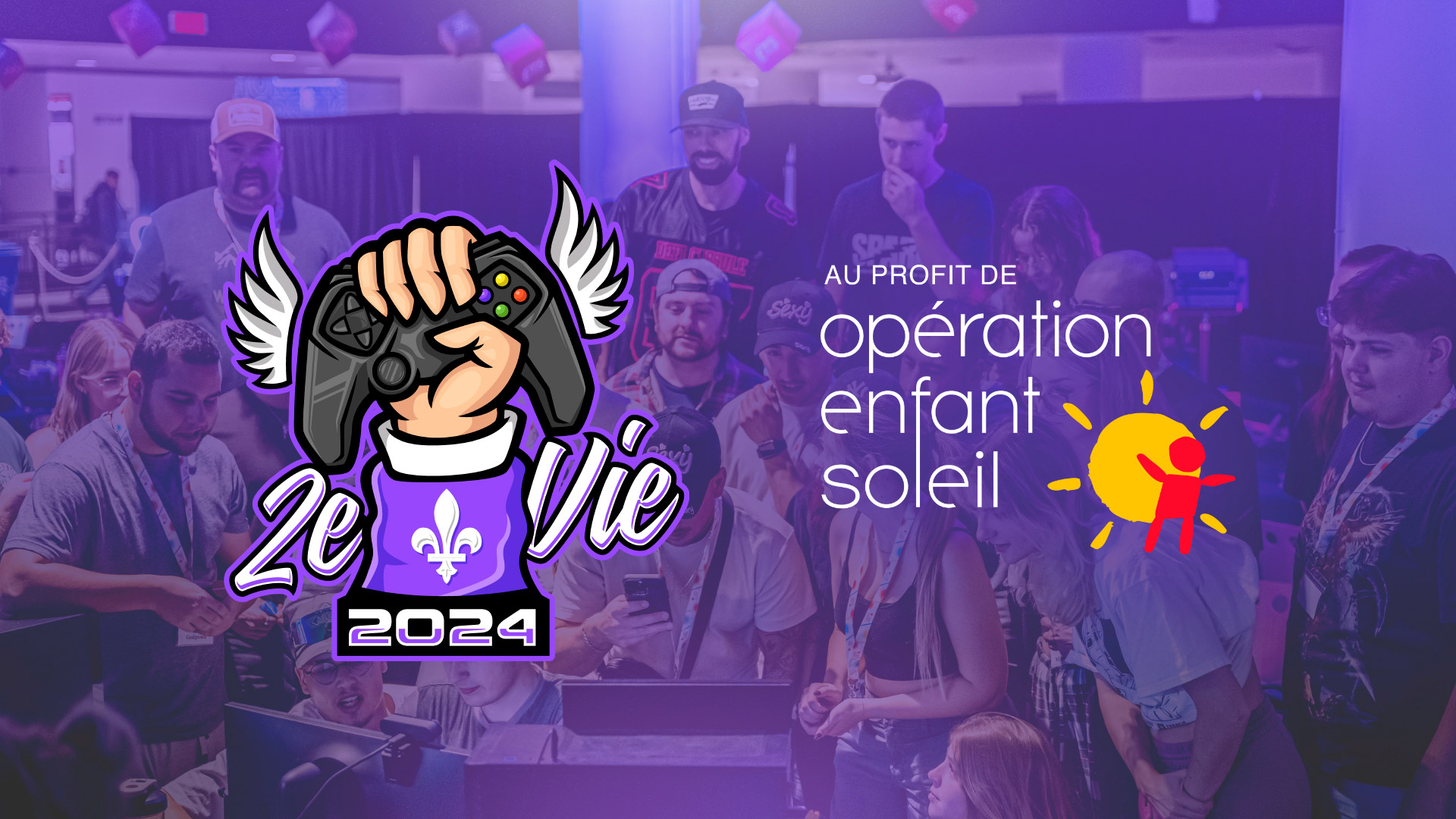
Enfant Soleil is another strong example of this shift.
Without abandoning its telethon, the foundation expanded to Twitch with Deuxième Vie, where creators rally their communities through live challenges and
real-timedonations. The approach draws inspiration from events such as France’s ZEvent, which has raised tens of millions of euros and demonstrated the potential
of livestreaming.
WWF’s Earth Hour does more than raise environmental awareness.
For one hour, landmarks such as the Eiffel Tower, the Sydney Opera House and the Burj Khalifa go dark alongside millions ofpeople, transforming an individual gesture into a shared global moment.

Brands also have a role to play in this attention economy.
When they put their visibility behind a cause, they do more than support an initiative: they help give it a place in the conversation. That is the approach we took
with the campaign developed for Nissan and La Guignolée des médias, leveraging the reach of an international brand to fuel local action.
The Pediatric Research Foundation recently faced this very challenge.
In a landscape crowded with children’s causes, its challenge was not simply to ask for donations, but to stand out, be recognized as relevant and be understood.
“We were fortunate to work with the Tam-Tam\TBWA team, who took the time to fully grasp our needs—and, above all, to understand what drives us.
Their collaborative approach enabled us to bring this creative project to life in away that faithfully reflects our mission and its relevance.”
says Josée Saint-Pierre, President-CEO ofthe PRF.
In this context, television remained the most relevant medium for reaching one of the most generous donor segments. The point is notto abandon the channels that work, but to choose the ones that capture the attention of the right people at the right time.
Agency: Tam-Tam\TBWA
Before persuading, be noticed
That may be the most important lesson of the past decade. A cause can no longer rely on the strength of its mission alone to mobilize people. First, it has to get noticed. In an economy where attention has become the most coveted resource, visibility has become a prerequisite for impact.


We are part of a global movement made up of companies that meet high standards of social and environmental performance as well as accountability and transparency.

